


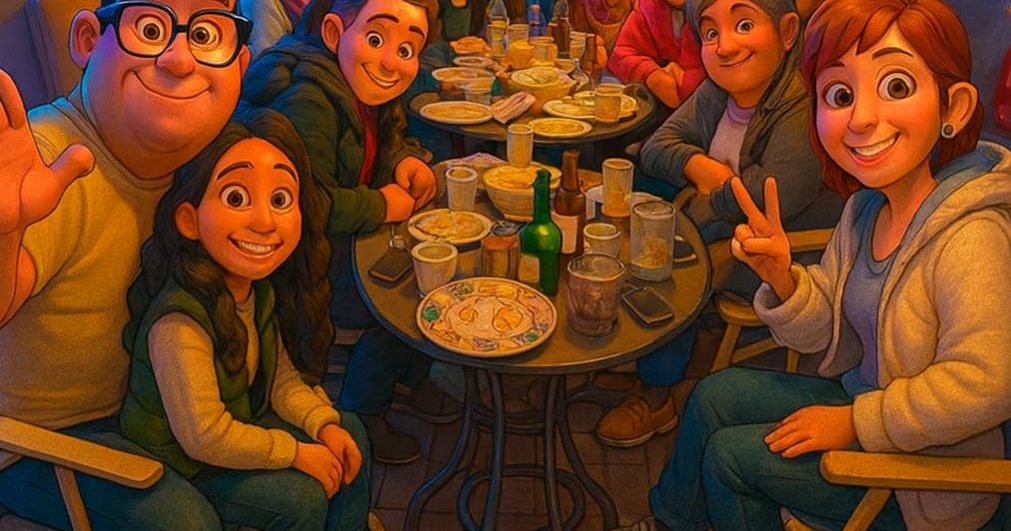
How to work with Image Generation AIs
This class explains how to generate images from scratch, how to edit existing images, how to use images as visual references, how to create promotional designs, and how to evaluate and refine results professionally.
1. Creating Images from Scratch (Text Generation)
When working with text-based generation, AI creates a completely new image without any prior visual reference. Everything depends on the quality of the prompt: clarity, detail, style, and consistency. This phase is essential for learning how AI “thinks” and how to interpret descriptions.
What is learned in this phase?
Writing Effective Prompts
Students will learn to formulate clear, detailed, and structured prompts. Techniques for controlling visual style, lighting, composition, atmosphere, and level of detail are explained.
Styles and Composition
Here, artistic styles (realistic, illustration, 3D, painting, comics, watercolour, etc.) are introduced, as well as photographic shots, angles, lenses, and rules of composition.
Variability Control
It teaches how to generate multiple versions of the same prompt, maintain consistency, or provoke creative variations.
Advantages
- Complete freedom to create new concepts and worlds.
- It does not depend on a previous image.
- Perfect for pure creativity and imagined scenarios.
Disadvantages
- Lower accuracy if the prompt is incomplete.
- Visual identity difficult to control without experience.
Key differences
AI has no references, so every word counts: if it is not mentioned, it does not exist.
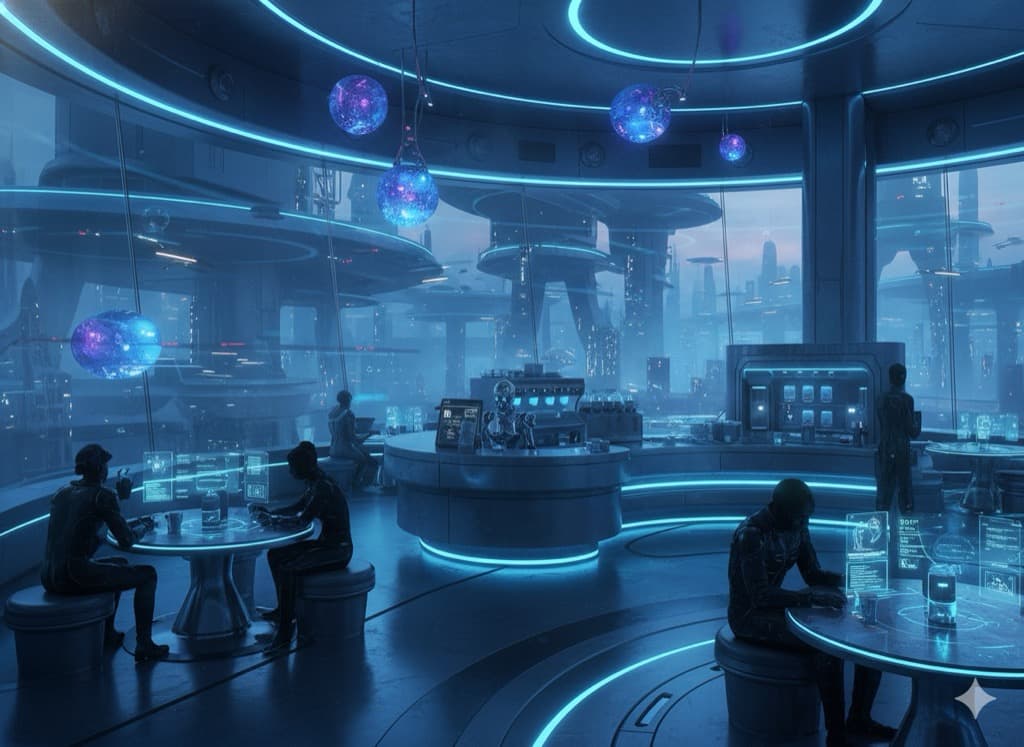
Created with Nano banana
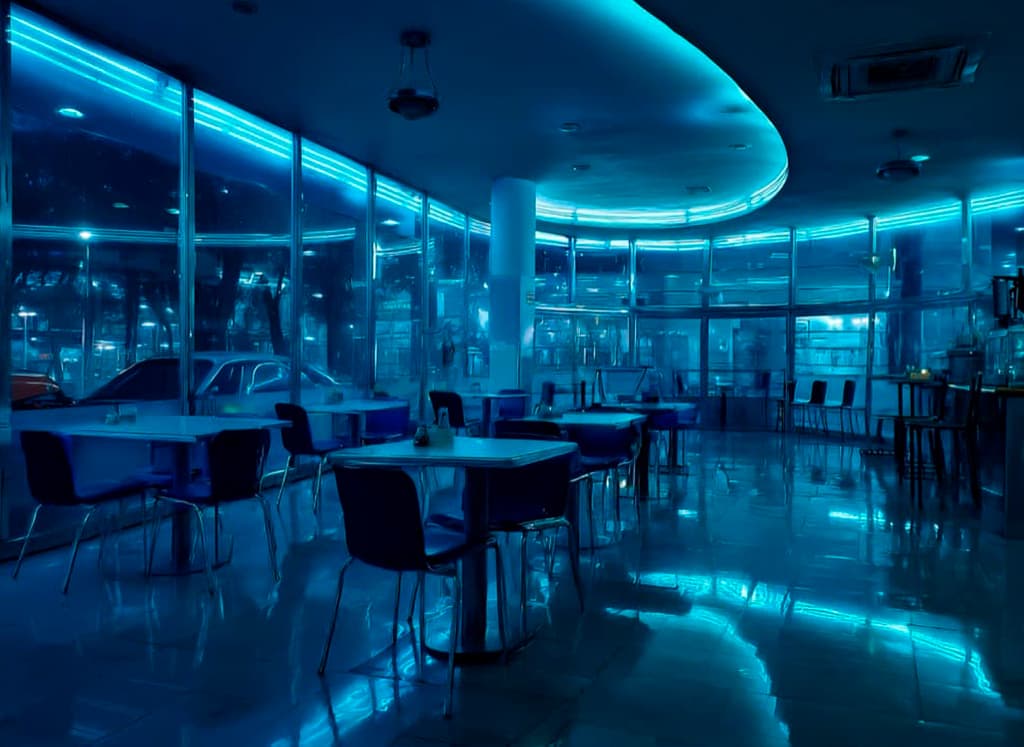
Created with Midjourney
2. Creating Images from Scratch (Text + Image Generation)
This method combines the strength of a text prompt with the precision of a reference image. The image provides visual structure, identity, and composition; the text indicates how you want to transform it. It is the most powerful and widely used technique in real projects.
What is learned in this phase?
Using an Image as a Visual Base
The AI takes the reference image and extracts style, colours, features, proportions, and composition. This ensures consistency and accuracy in the result.
Text as Change Instruction
Students learn to indicate what needs to be modified: lighting, background, style, era, expression, atmosphere, clothing, texture, etc.
The text drives transformation.
Creative Transformation
AI can turn a normal photo into an artistic portrait, a painting, a futuristic version or a cinematic style, while keeping the subject recognisable.
Advantages
- Maximum visual precision.
- Maintains identity and characteristics.
- Ideal for portraits, branding, e-commerce, design, and corporate projects.
Disadvantages
- Requires clear instructions to avoid conflicting styles.
- If the original image is poor, the AI will inherit the problems.
Key differences
It is not direct editing:
AI generates a new image based on the original image + text instructions.
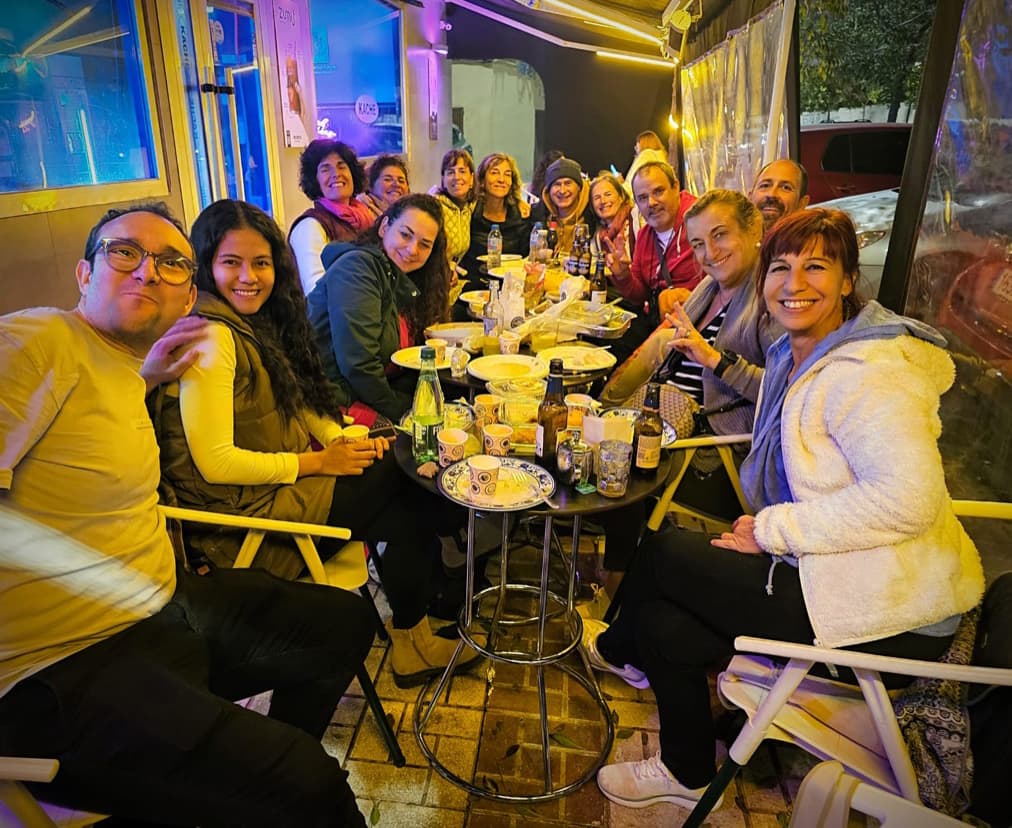
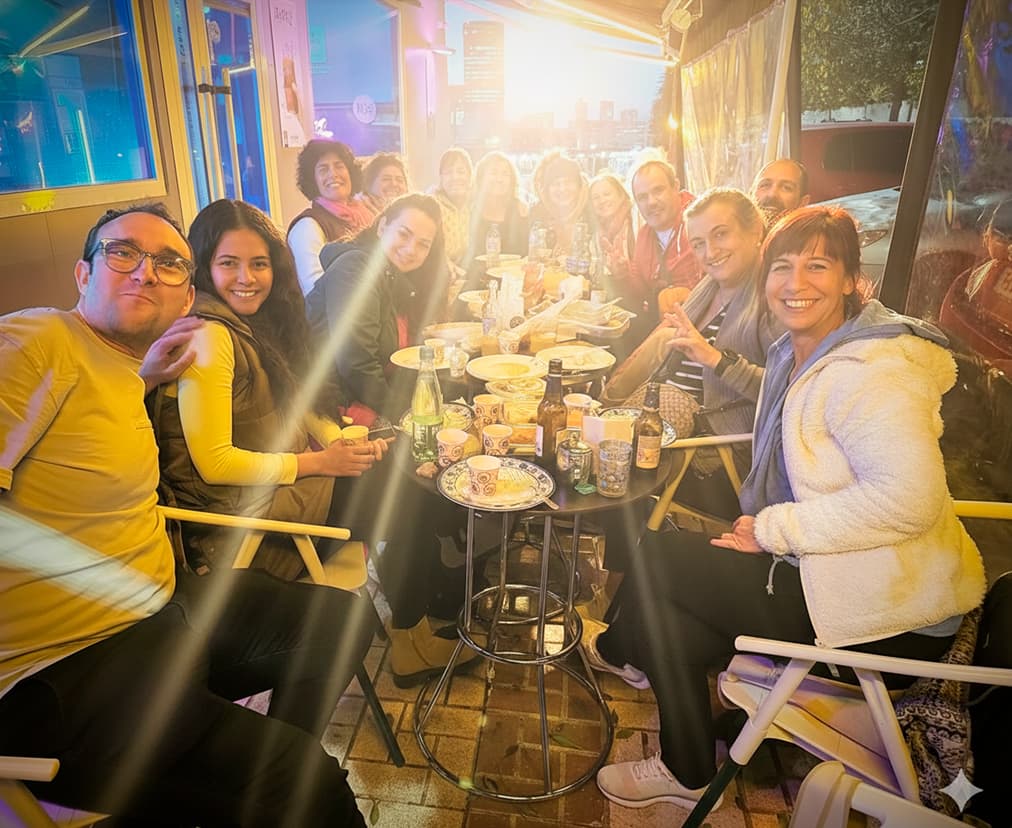
Created with Nano banana
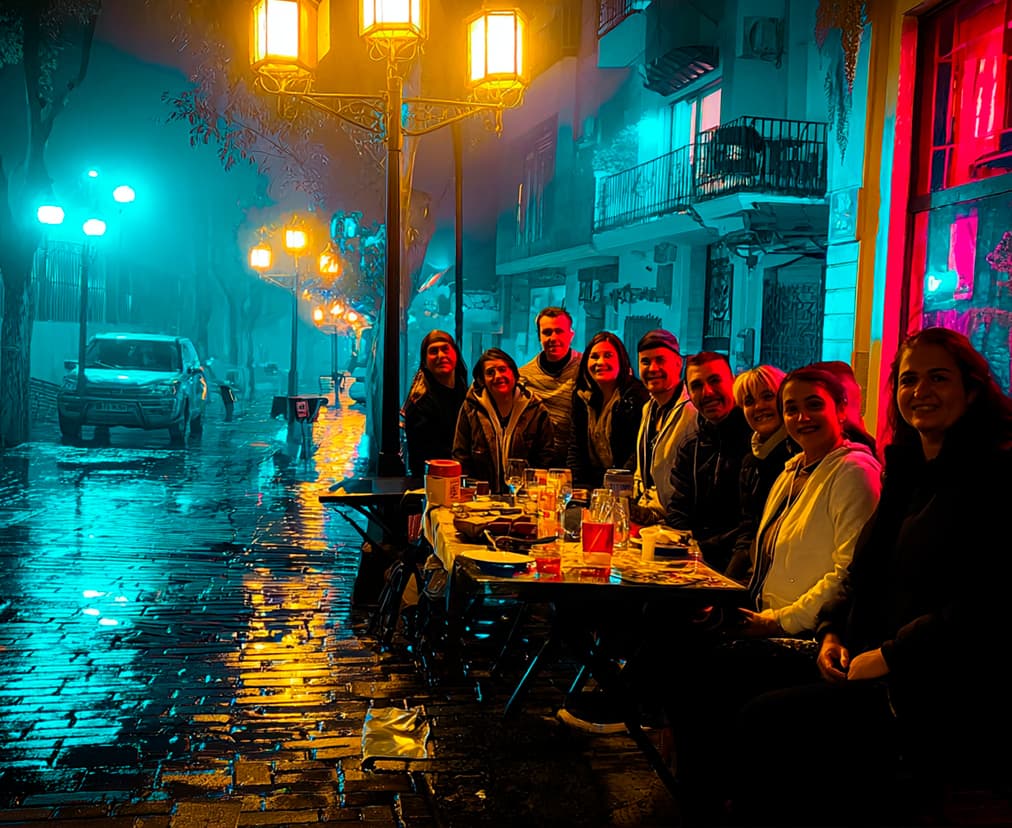
Created with Midjourney
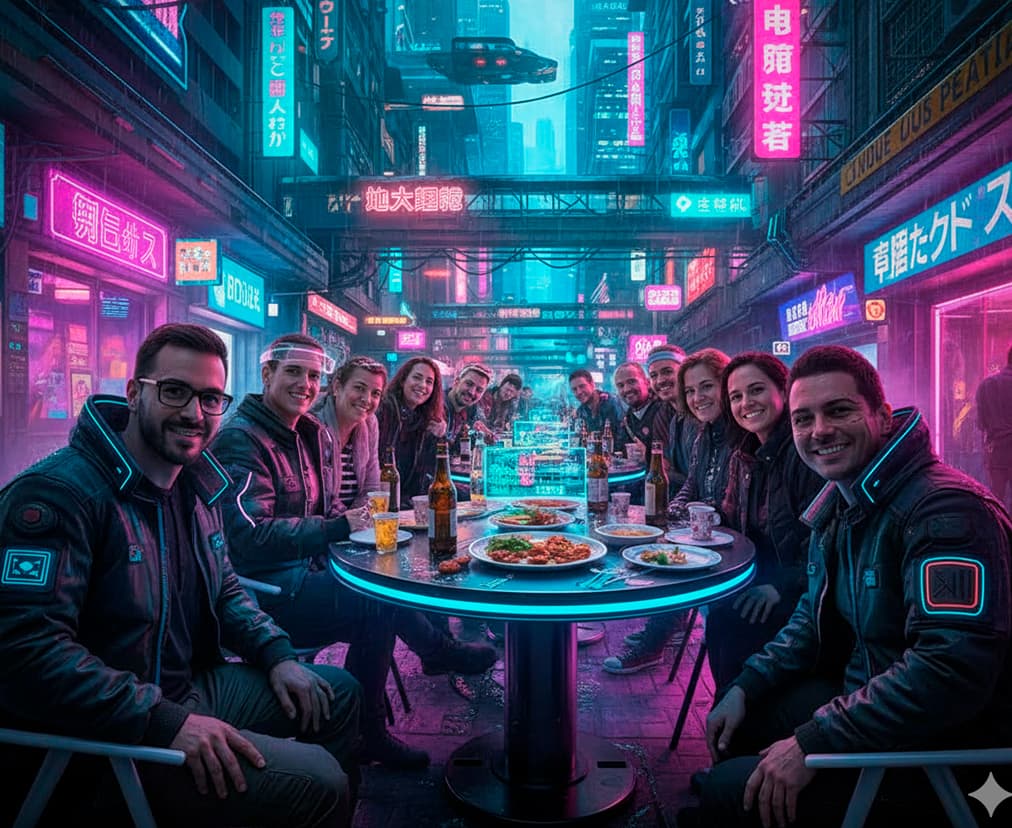
Created with Nano banana
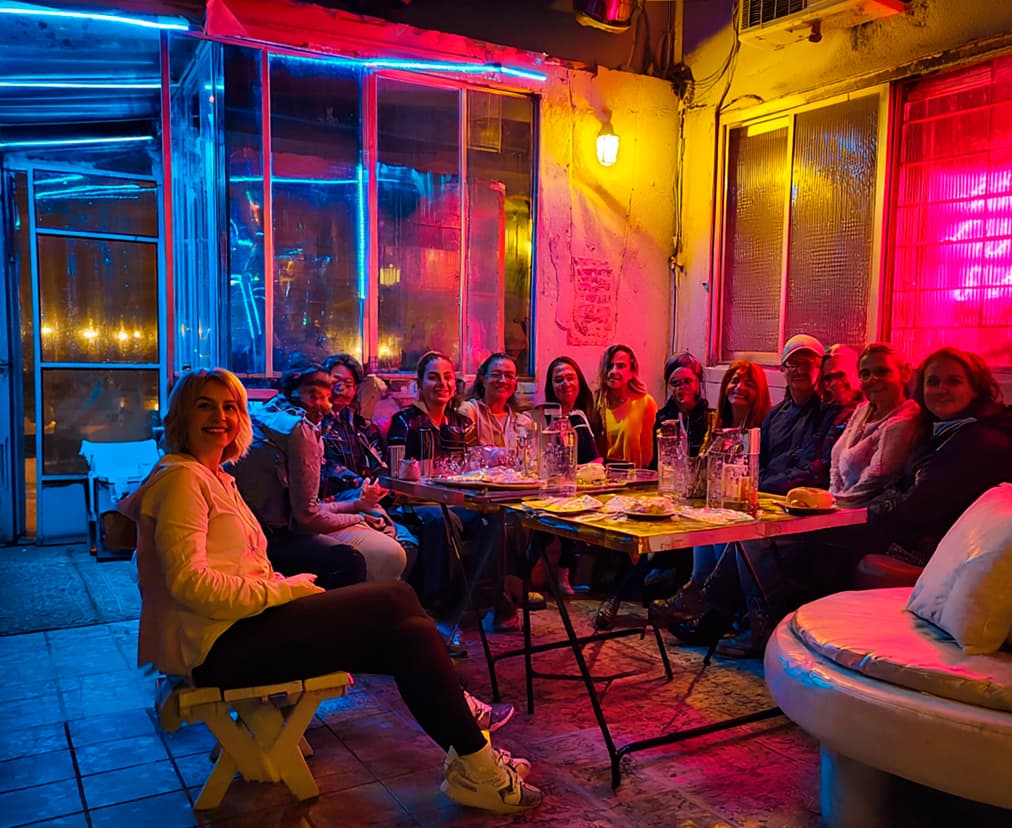
Created with Midjourney
ChatGPT image creator (DALL·E) as a Text + Image engine
The ChatGPT image creator, based on OpenAI's DALL·E model, is one of the most convenient tools for working with generation. Text + Image. It allows you to upload a reference image (photo, sketch, design, etc.) and, using a well-written prompt, ask the AI to maintain the main structure while changing the style, atmosphere, or visual details.
In practice, students can give ChatGPT simple instructions such as: «Take this photo and turn it into a comic-style illustration with bright colours» or «Keep the pose and clothing, but change the background to a night-time cityscape with neon lights». DALL·E interprets both the image and the text and generates a new version consistent with both instructions.
For real projects — professional portraits, branding, covers, thumbnails, advertising — ChatGPT's image creator is particularly useful because:
- Maintains visual identity of the subject or product thanks to the reference image.
- Save time in testing, as you can iterate quickly by changing only the prompt.
- Facilitates experimentation with styles (realistic, illustration, digital painting, cinematic, etc.) without losing the original basis.
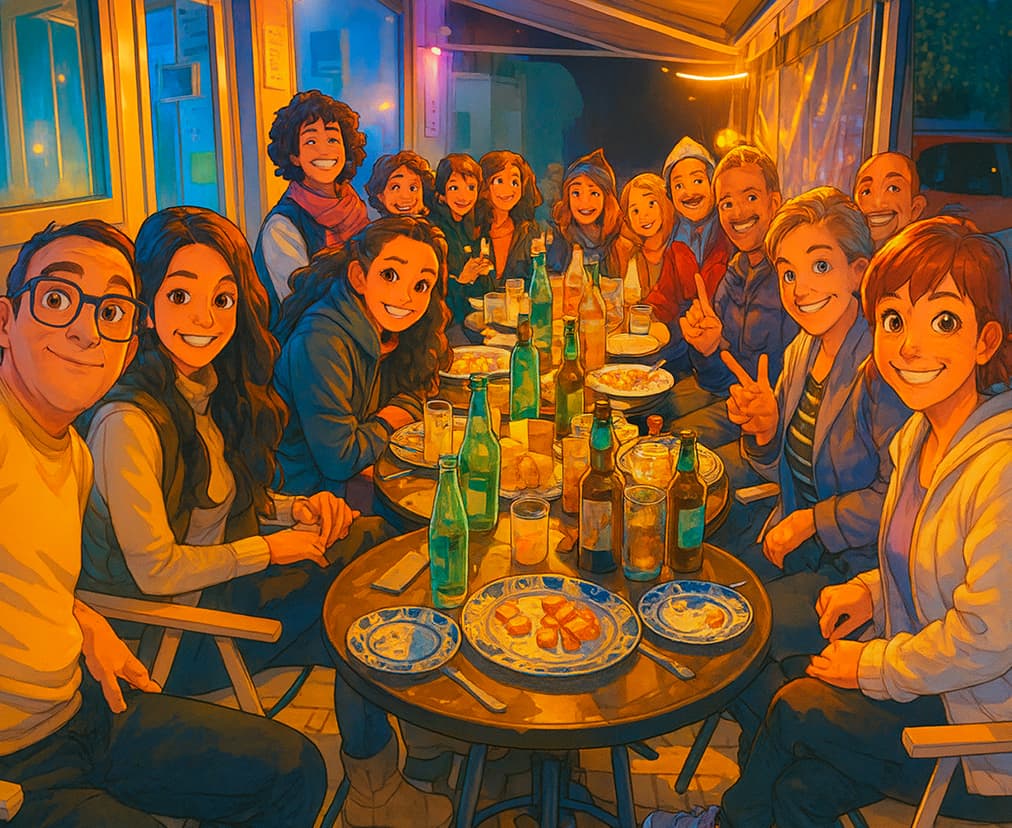
ChatGPT (DALL·E)
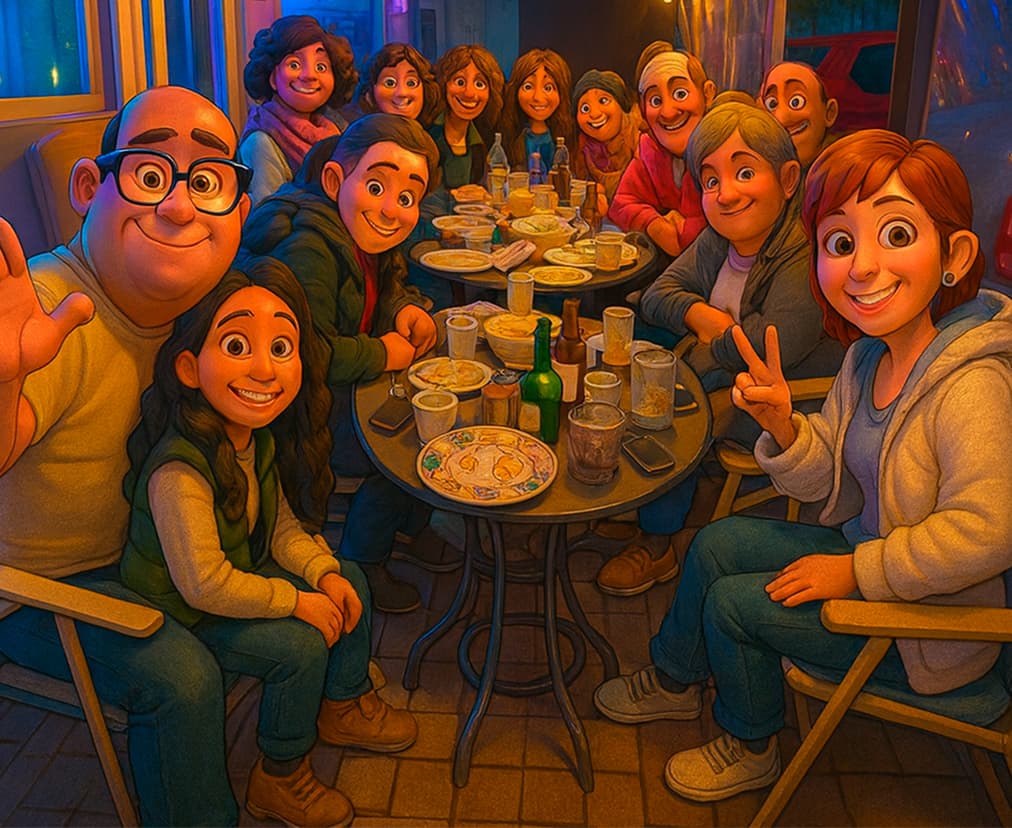
ChatGPT (DALL·E)
3. Editing Existing Images
Here's the AI works directly on the original image. It does not generate a new image from scratch: it modifies, corrects or improves specific parts of the photograph. This technique is key for photo retouching, advertising, professional portraits and restoration.
What is learned in this phase?
Inpainting (Edit Specific Parts)
Students learn to select and modify specific areas such as eyes, background, skin, clothing, or lighting.
AI fills the edited area with visual consistency.
Replacement of Elements
It teaches you how to change entire parts of the image: sky, background, clothing, expressions, objects, or details of the environment.
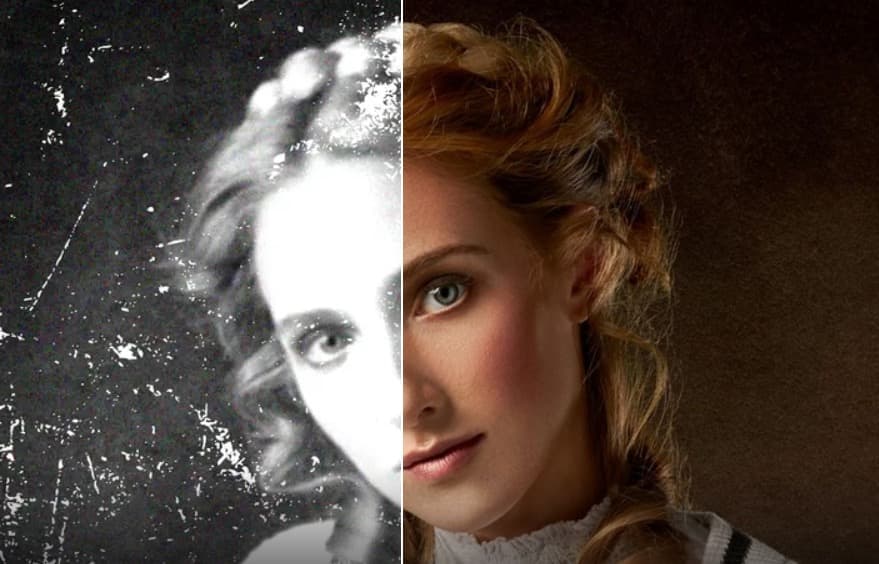
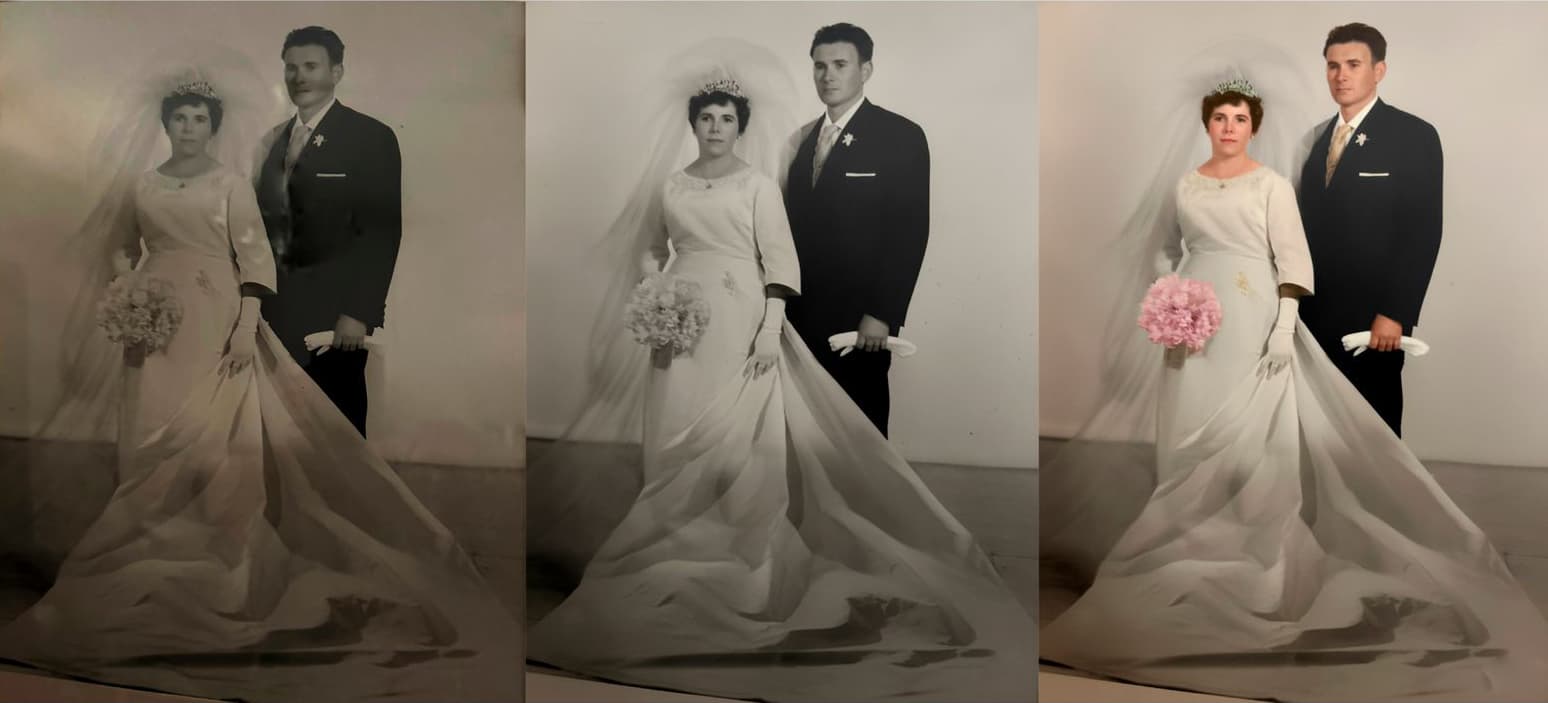
Advantages
- Control over specific elements.
- Maintains the identity of the original image.
- Ideal for photography and professional content.
Disadvantages
- It is essential to maintain visual consistency.
- If it is edited poorly, it is quickly noticeable.
Key differences
Here, the original image itself is modified, without creating a completely new scene.
4. Refinement and Detailed Adjustments
Once an image has been created (generated or edited), the refinement phase begins. This is where a “good” result is transformed into a truly professional one.
Improve details
Microtextures, eyes, reflections, skin smoothing, fabrics, metals...
These are minimal but essential adjustments for visual quality.
Adjust lighting and shadows
Correct harsh shadows, improve contrast, balance colour temperature, and add directional light if necessary.
Maintain style
This phase also corrects stylistic inconsistencies:
If the image calls for a cinematic style, everything must respect it (colours, light, contrast).
Key differences
The scene and its structure remain unchanged.
Only the details are polished until a flawless finish is achieved.
5. Evaluation of Results and Adjustment of Parameters
After generating an image, students must learn to evaluate it, detect flaws, and make iterative adjustments. This stage develops visual and professional judgement.
What can you learn?
Coherence Assessment
The following is analysed:
- Proportions are correct
- Shadows are natural
- Backgrounds and subjects match
- Style is consistent
- There are no artefacts (deformed hands, malformed eyes, incorrect perspectives).
Iterative Adjustments
Students learn to correct specific details:
- Reduce saturation
- Adjust brightness
- Change camera angle
- Add spotlight
- Modify expressions
- Refine texture
Key differences
This phase does not change the scene; it optimises the final result.
6. Resources for Inspiration, Prompts, and Real Results
These resources enable students to study how good prompts are constructed and how each prompt relates to its final outcome. Perfect for analysing syntax, aesthetics, and structure.
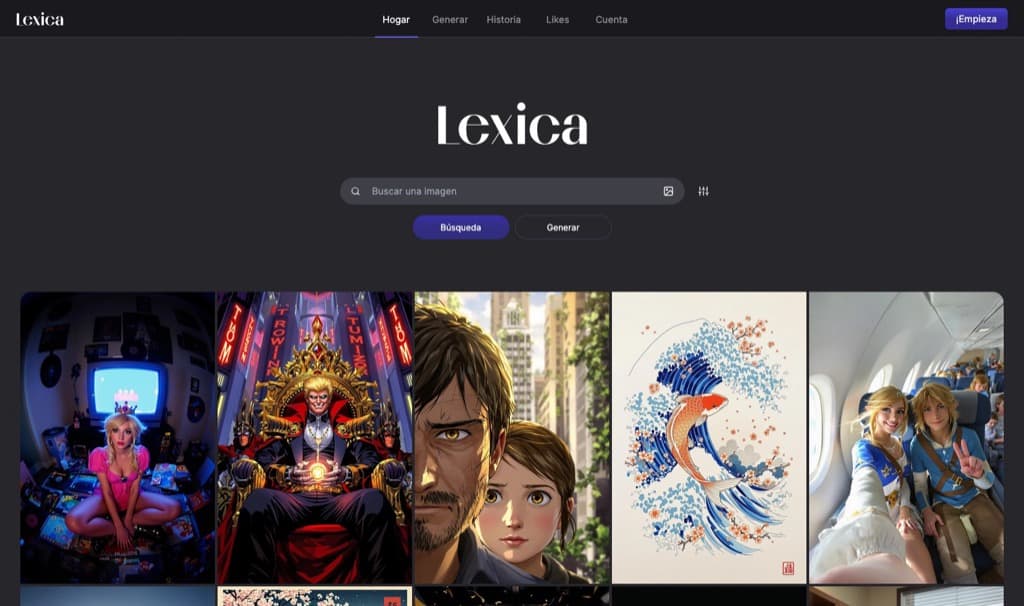
Lexica.art
(Stable Diffusion – Most comprehensive library)
Thousands of real prompts organised by style, technique, author, and concept.

Nano Banana Library
(Prompts + Results)
Highly specialised collection with real examples of the Nano Banana model.

Character Guide for Midjourney
(Styles + Techniques)
11 Prompts for Characters with Midjourney: Essential Guide for Designers and Digital Artists
Essential guides to mastering Nano Banana and Midjourney
If you want to learn how to generate, edit, and refine images with artificial intelligence, these two videos are the perfect starting point. The first shows you how to work with Nano Banana, the free tool for creating and transforming images with amazing results. The second introduces you to Midjourney, the leading platform for advanced visual generation. Two different approaches, two creative powers, one goal: to help you create spectacular images without complicating your life.
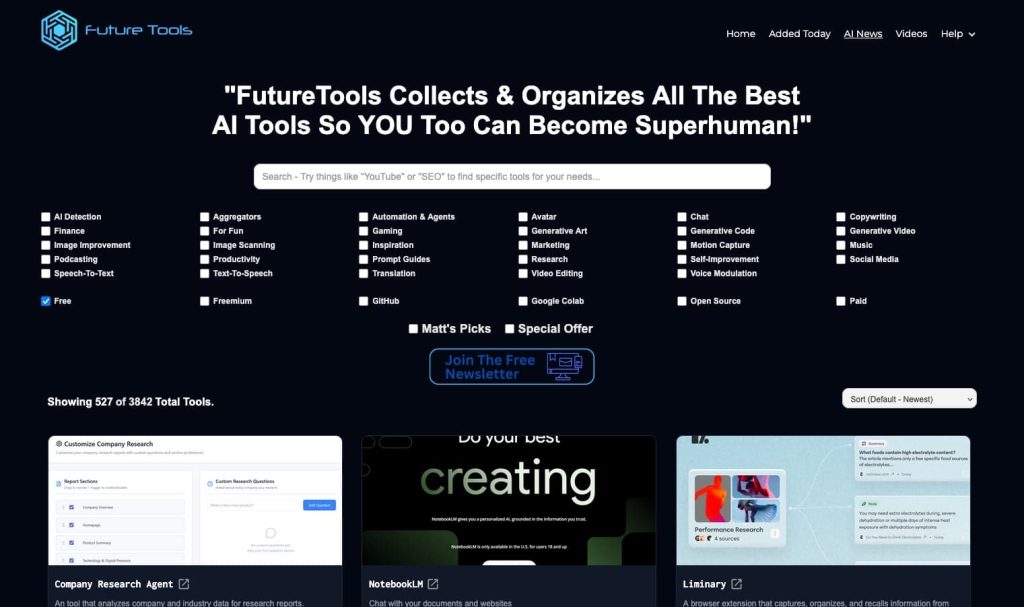
Free AI
Find AI tools free of charge and also options for payment, all organised so that you can choose the one that best suits your needs.

 Español
  English (UK)