


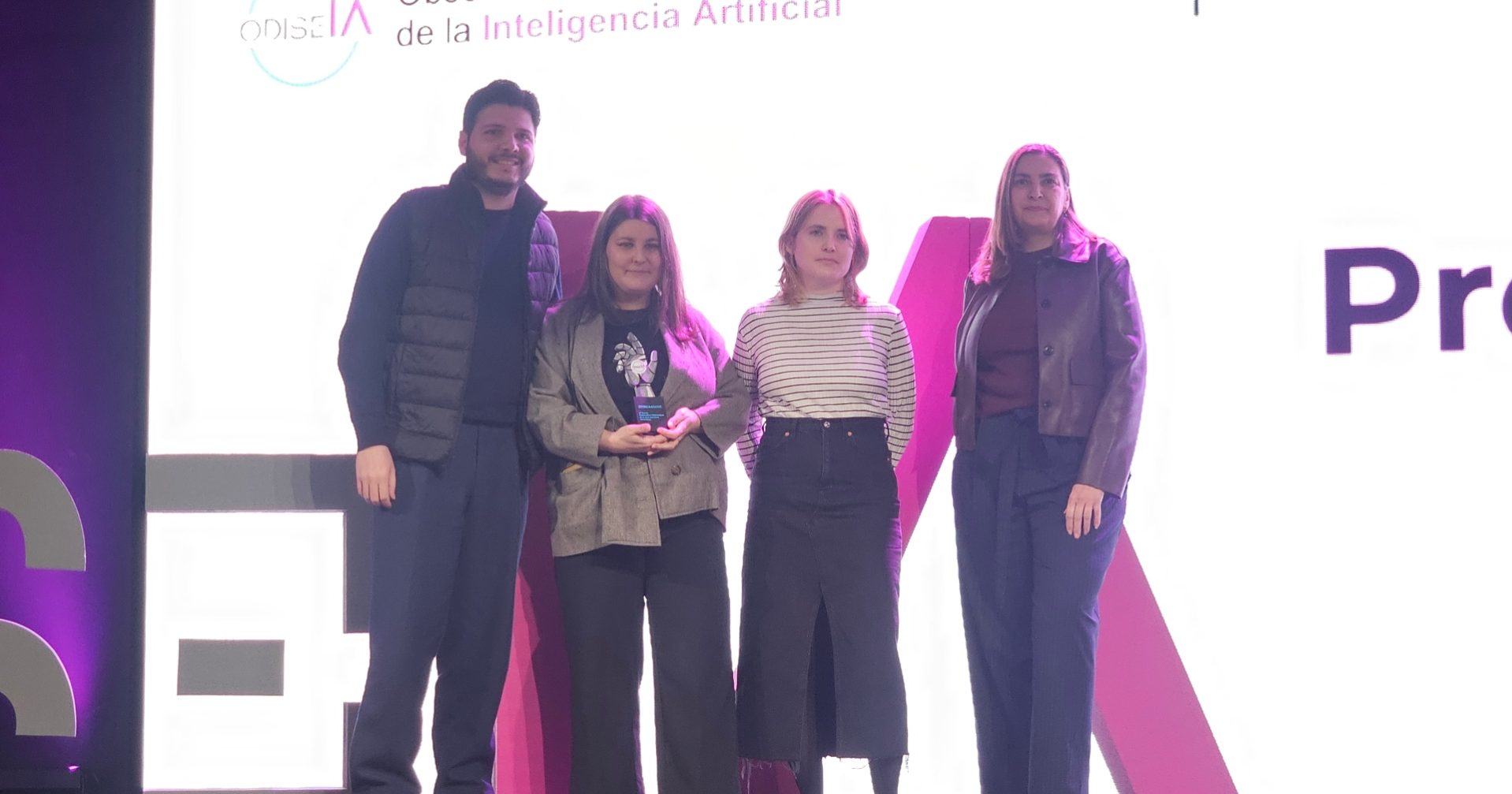
Technological innovation joined social commitment at the OdiseIA4Good 2026 Hackathon, an event that stood out for its focus on the application of Artificial Intelligence to benefit the most vulnerable groups.
The event brought together more than 100 participants over three days, who worked in teams to develop AI-based solutions to improve the lives of people with autism, the elderly, the sick, migrants and other vulnerable groups.
Innovative Projects
The winning project, Aula +, stood out for its focus on the construction of pedagogical memory in classrooms with students with autism, using AI to identify patterns and improve educational quality on an individualised basis.
In addition, more than 40 teams submitted proposals addressing everything from the emotional well-being of teenagers to the loneliness of the elderly, demonstrating the potential of AI to generate positive social impact.
Commitment and Collaboration
The event's leaders underlined the importance of devoting efforts to developing AI with a social focus, highlighting the opportunity to turn ideas into social enterprises that address real societal needs.
Technology, far from opening gaps, can be a tool to close them, as Idoia Salazar, founder of OdiseIA, pointed out, highlighting the transformative potential of AI when applied ethically and responsibly.
The positive vision of technology and the call for ethical responsibility in its development were recurring themes during the event, which was supported by Google and the Paul VI Foundation in their commitment to the common good.
At a time when AI is generating both excitement and uncertainty, events such as Hackathon 2026 demonstrate the potential of technology to have a positive impact on society and foster collaboration between different sectors and professionals.
Source: www.fpablovi.org
 Español
  English (UK)