


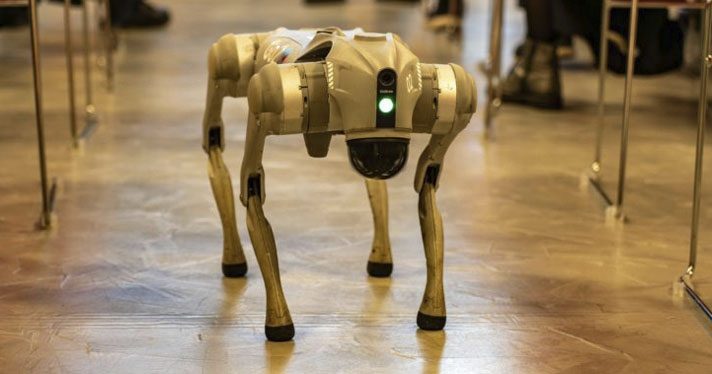
In an increasingly digitised world, the discussion on the ethics of artificial intelligence (AI) has gained prominence. However, a less explored aspect is its application to animal welfare. They call for extending the ethical guidelines of AI to include animals, a debate that raises profound questions about our role as creators of technology.
The Importance of Expanding AI Ethical Guidelines
Calling for the inclusion of animals in ethical guidelines for AI is not only a moral necessity, but also a demand of modern society. As technology advances, it is crucial to consider how it impacts vulnerable beings that share our planet.
Artificial intelligence, used responsibly, can be a valuable tool for ensuring animal welfare. From monitoring endangered species to optimising processes on farms, its potential is immense.
The Role of AI in Digital Marketing
In addition to its impact in the animal domain, AI has revolutionised digital marketing. Its ability to analyse data, predict trends and personalise experiences has transformed the way businesses connect with their audiences.
Generative AI applied to content has enabled more creative and effective campaigns. Advanced algorithms can generate text, images and videos autonomously, freeing marketers from repetitive tasks.
Challenges and Opportunities in Artificial Intelligence
While AI offers countless advantages, it also poses risks that should not be overlooked. AI-driven automation in agencies can lead to job losses, raising concerns in the labour sector.
In the realm of SEO, AI has changed the way content is ranked in search engines. Understanding and adapting to these changes is critical to maintaining a relevant online presence.
AI tools for digital marketing are becoming increasingly accessible, giving companies the opportunity to optimise their strategies and reach specific audiences efficiently.
Reflections on the Future of AI
The future of artificial intelligence in business looks promising, but it needs to be approached responsibly and ethically. The constant evolution of this technology invites us to reflect on the impact it will have on our lives and the world we share with other species.
In conclusion, the inclusion of animals in ethical guidelines for AI is a crucial step towards a more equitable and sustainable technological future. The intersection between artificial intelligence, digital marketing and animal welfare challenges us to rethink our approach to technology and its impact on our environment.
Source: www.animalshealth.es
 Español
  English (UK)