


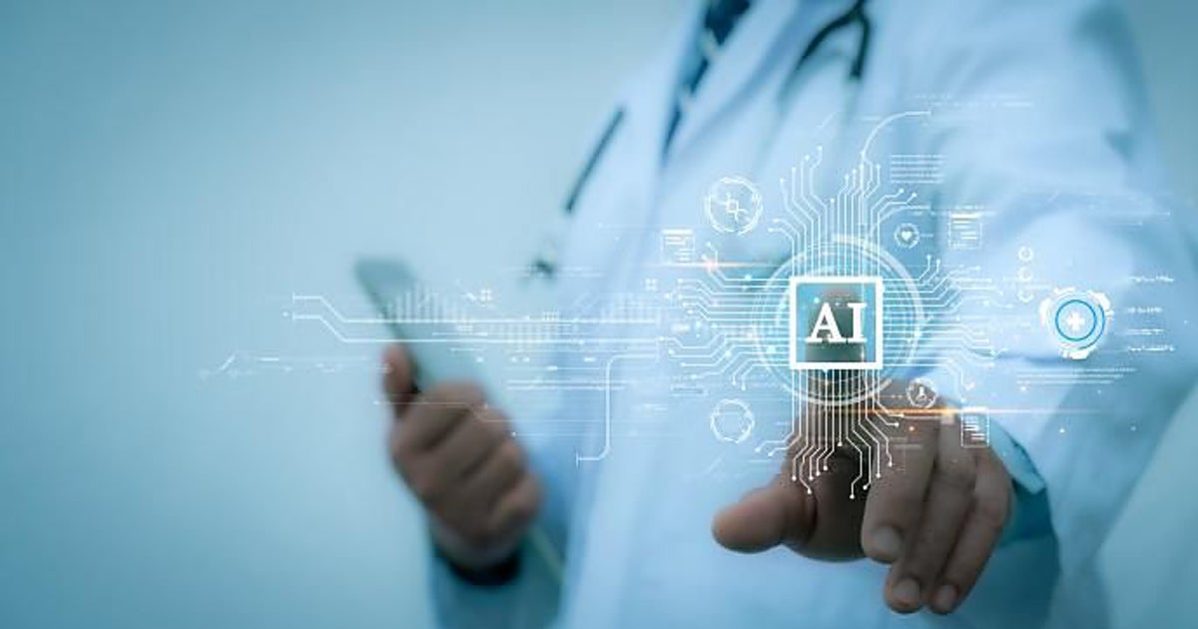
Artificial intelligence is constantly evolving, but it still needs the supervision and clinical judgement of doctors to make an accurate diagnosis. Despite advances, a recent study reveals that machines still face challenges in identifying diseases in patients, especially in the crucial process of differential diagnosis.
The study, conducted by US researchers, tested various AI tools, including ChatGPT, Gemini, Claude and Grok, on real clinical cases. While the machines are often able to get the final diagnosis right, they have significant difficulties in differential diagnosis, which involves identifying and prioritising possible diseases that explain the patient's symptoms.
Errors in this crucial step exceeded 80% in all models analysed, highlighting the inability of artificial intelligence to handle the uncertainty present in medical practice. This finding questions the feasibility of using AI systems autonomously in clinical diagnosis, underlining the importance of supervision by healthcare professionals.
The complementary role of AI in medicine
Experts emphasise that while artificial intelligence offers significant potential in the field of healthcare, it cannot yet replace doctors, especially in complex situations or at the initial stage of a diagnosis. Its current role is to support healthcare professionals by facilitating the organisation of data, explanation of medical information and assistance with structured tasks.
It is crucial to adopt a balanced approach when integrating AI into medical practice, recognising its advantages but also its limitations. The interaction between doctor and patient, the complexity of cases and the need for further optimisation are fundamental aspects that still require human intervention to ensure the quality of healthcare.
Final considerations
In a world where AI is advancing by leaps and bounds, it is imperative to understand that technology, however sophisticated, cannot replace the empathy, clinical judgement and expertise of healthcare professionals. While artificial intelligence promises to revolutionise medicine, its successful integration will depend on effective collaboration between technology and the human factor.
In short, artificial intelligence, while a powerful tool, still needs the knowledge and sensitivity of doctors to provide accurate diagnoses and quality care to patients.
Source: www.abc.es
 Español
  English (UK)
