



SEO for Artificial Intelligence
At a time when “gurus” claiming to have a secret formula for AI positioning are proliferating, it is important to separate the noise from reality. The truth is simple: that formula does not exist. One company that does make this clear—and with real data—is Ahrefs, one of the most reputable firms in SEO research. Its studies on AI and LLMs have analysed tens of thousands of brands and have made it possible to understand which signals do influence an AI model to cite content and which are just smoke and mirrors.
From that solid foundation, rather than magical promises, we can build a realistic strategy for appearing as a source in AI-generated responses. This is what really works.
Why SEO for AI is different from traditional SEO
What does an AI model look for when responding to a query?
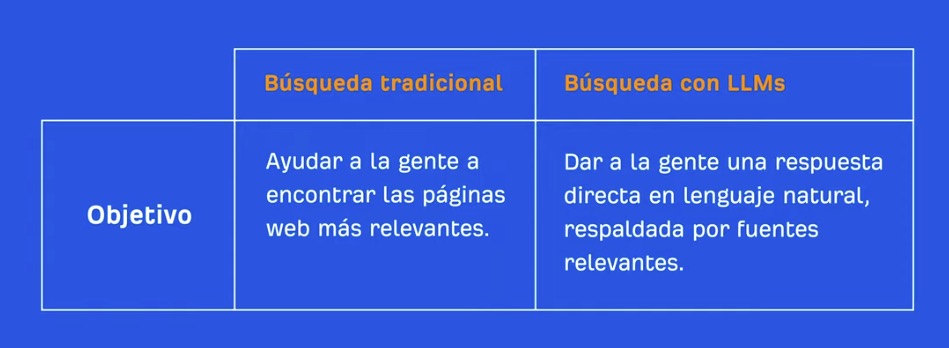
LLMs do not want to send you traffic; they want to provide users with comprehensive answers. To do so, they need to rely on reliable, recent, and clear sources. If your content meets these criteria, your chances of being cited increase.
Why clicks are no longer the main objective
In AI-based results, the interaction usually ends within the response itself. Instead of competing for the click, you now compete to be the reference, the source mentioned. And that has a direct impact on your brand's reputation.
How LLMs work when searching for information
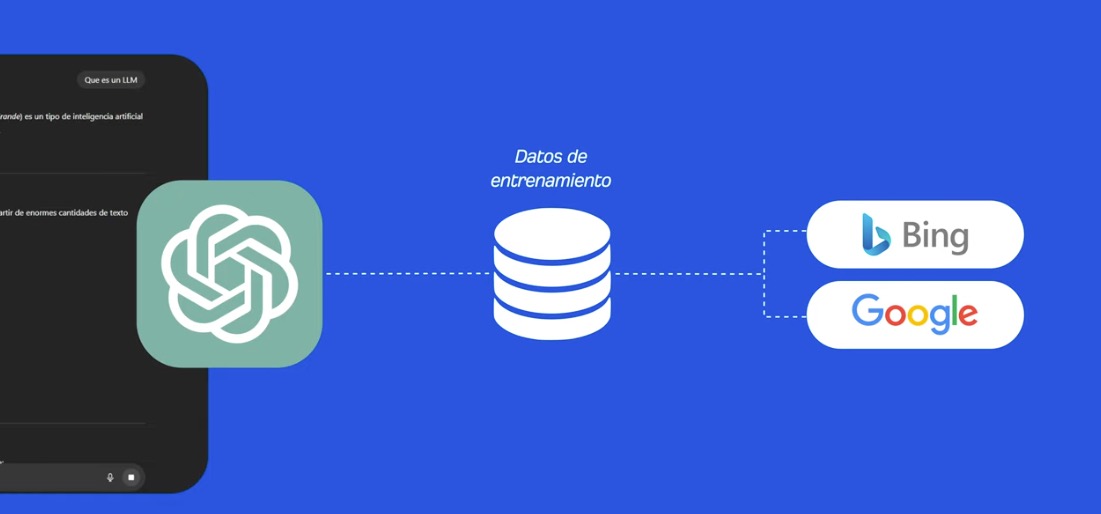
Trained data vs. updated information (RAG)
A model can respond based on its trained knowledge or search for new information in real time using RAG. It is in this second part where you can influence with your content.
Where they “read” your content and how they interpret it
Assistants track information in indexes such as Google and Bing, evaluating structure, clarity, updates, and brand authority. The more accessible and organised your website is, the easier it is for AI to consider it a valid source.
Key factor #1: Quality brand mentions
Why mentions are more influential than ever
According to Ahrefs, brand mentions on external sites are the signal most correlated with appearing in AI results. We're not just talking about links, but the fact that your brand is mentioned in relevant places.
Real strategies for getting valuable mentions
Contribute to authoritative media outlets and websites. Participate in active communities such as Reddit or LinkedIn. Create content that people want to share. Monitor mentions and identify opportunities with professional tools. Weak mentions are of little use; authoritative mentions open doors.
Key factor #2: Structure and clarity of content
BLUF: how to write so that AI understands from the very first sentence
BLUF stands for “Bottom Line Up Front”: start with what's important. Models interpret texts better when they get straight to the point and avoid empty or vague introductions.
Headings, paragraphs, and logical grouping
LLMs read your HTML from top to bottom: structure, hierarchy, and consistency matter. Use clear headings, short paragraphs, and sections that make sense even if AI fragments them.
Key factor #3: Long-tail content and thematic clusters
How to leverage long-tail searches generated by AI
Users write longer and more specific prompts. Therefore, targeting long-tail keywords increases the chances of matching those queries.
Create clusters that respond 360º to the search intent
A well-constructed cluster covers a topic from multiple angles: definitions, doubts, comparisons, and related questions. This positions you as a comprehensive and in-depth source, just what an LLM wants to cite.
Key factor #4: Always keep content up to date
Why AI prefers recent content
Ahrefs identified that content cited by AI is, on average, 25% more recent than that ranked by Google. Freshness matters more than ever.
How to update without rewriting the entire article
Update statistics, examples, conclusions, and key sections. Sometimes, a simple refresh can turn a forgotten article into one of your most cited pieces of content.
Key factor #5: Ensure that AI can track you
Common blocks in robots.txt and firewalls
Many sites unintentionally block AI bots. If GPTBot or similar crawlers cannot read your website, they will never cite you.
How to check if AI bots are accessing your website
Review server logs, CDN rules, firewall, and use AI auditing tools to confirm access.
How to adapt your strategy to each platform
Google SGE: communities and freshness
Google relies on up-to-date content and genuine engagement in communities such as Reddit and YouTube.
ChatGPT: media and authority
ChatGPT tends to cite media outlets with solid reputations and well-researched editorial content.
Perplexity: niches and comparative content
Perplexity values in-depth, specialised content, particularly well-developed comparisons.
Conclusion: SEO is not dead, it has mutated.
What remains the same
The foundation remains the same: authority, clarity, and useful content.
What you need to do differently starting today
Look for quality mentions. Update frequently. Work with long tail and clusters. Make it easy for AI to crawl. Structure your content precisely. The future is not about ranking on Google, but about becoming the source that AI wants to cite and recommend.
 Español
  English (UK)
